Spoliation of Evidence in Commercial Semi-Truck Accident Cases: Why Immediate Legal Action Matters
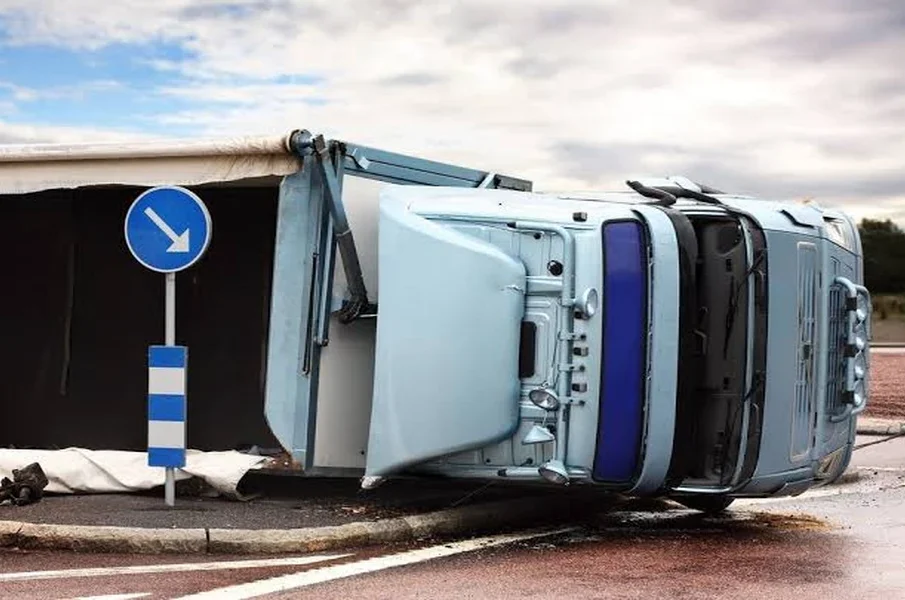
A collision involving a commercial semi-truck can create devastating consequences. Because tractor-trailers can weigh tens of thousands of pounds and travel long distances at highway speeds, a trucking collision may result in catastrophic injuries, permanent disability, substantial medical expenses, or wrongful death.
What many injured people do not realize is that an important part of a trucking claim begins immediately after the collision: preserving evidence.
Commercial trucking companies and their insurers often have established procedures for responding to serious crashes. Investigators, insurance representatives, safety personnel, and defense attorneys may become involved quickly. An injured person should consider taking equally prompt steps to protect evidence that may later be critical to proving liability.
What Evidence May Exist After a Truck Accident?
Commercial trucking operations generate extensive electronic and physical records. Depending on the circumstances of the collision, important evidence may include:
1. Electronic Logging Device (ELD) Records
ELD records can provide information concerning a driver’s hours of service and record of duty status. These records may be relevant when investigating whether fatigue, excessive driving hours, or violations of hours-of-service requirements contributed to a collision.
FMCSA guidance generally requires motor carriers to retain ELD records of duty status and supporting documents for six months.
2. Engine Control Module and Vehicle Data
Modern commercial vehicles may contain electronic information concerning vehicle operation. Depending on the vehicle and available systems, data may provide information relevant to speed, braking, throttle activity, engine conditions, and other circumstances surrounding a collision.
Preserving this information can be particularly important when the parties later disagree about how the crash occurred.
3. Dashcam, Camera, and Telematics Evidence
Trucking companies may use forward-facing cameras, driver-facing cameras, collision-warning systems, GPS tracking, fleet-management systems, and other technology.
Video and telematics information can potentially help establish issues such as lane changes, following distance, driver distraction, vehicle positioning, or the sequence of events immediately before impact.
Because electronic information can be overwritten, deleted, altered through ordinary system processes, or become difficult to retrieve over time, early preservation efforts may be important.
4. Maintenance and Inspection Records
A trucking company’s maintenance and inspection records may help determine whether mechanical problems contributed to a crash. Depending on the circumstances, relevant records may include inspection reports, repair histories, brake-related records, tire information, service records, and documentation concerning known mechanical problems.
5. Driver Qualification and Employment Records
A commercial trucking investigation may also require examination of records concerning the driver’s qualifications, training, licensing, safety history, and employment. The relevance of particular records depends on the facts of the collision and the legal claims being investigated.
Why a Spoliation Letter Can Matter
One of the most important early steps in a serious trucking case may be sending a formal evidence-preservation or spoliation letter to the trucking company, driver, insurer, and other potentially responsible parties.
A preservation letter can identify categories of evidence that should be preserved and put the recipient on notice that the information may be relevant to anticipated litigation.
The letter may address electronic records, vehicle data, video footage, photographs, inspection records, maintenance documentation, driver records, communications, GPS information, dispatch records, and other potentially relevant materials.
A preservation request does not automatically guarantee that every piece of evidence will be produced. However, promptly documenting the request can become important if a dispute later arises concerning missing or destroyed evidence.
Truck Accident Claims Require More Than the Police Report
A police report may provide valuable information, but it may not answer every question necessary to establish liability in a commercial trucking case.
A thorough investigation may require reviewing the crash scene, photographs, witness statements, vehicle damage, available electronic data, trucking records, maintenance documentation, applicable regulations, and other evidence.
In some cases, accident reconstruction or other qualified expert analysis may also be appropriate.
The potentially responsible parties may include the truck driver, motor carrier, vehicle owner, maintenance provider, broker, manufacturer, or other entities, depending on the facts and applicable law. Liability should be determined from the evidence and the specific circumstances of the collision.
What Should You Do After a Serious Truck Collision?
If you or a family member has suffered serious injuries in a commercial trucking accident, consider obtaining legal advice promptly. Do not assume that the trucking company’s insurer will independently preserve every piece of evidence that could support your claim.
Important early steps may include documenting your injuries, preserving photographs and communications, identifying witnesses, obtaining available medical records, and promptly notifying appropriate parties that relevant evidence must be preserved.
At Leeran S. Barzilai, A Professional Law Corporation, our firm handles civil litigation and injury-related legal matters and can evaluate the circumstances of a serious commercial truck collision, identify potentially important evidence, and advise you concerning available legal remedies.
A trucking case can involve substantial damages and complicated factual and legal issues. Early investigation can be critical because evidence may become harder to obtain as time passes.
If you or a loved one has been seriously injured in a commercial truck accident, contact Leeran S. Barzilai, A Professional Law Corporation for an evaluation of your potential claim.
Phone: (619) 436-7544
Email: receptionist@lbatlaw.com