Which Probate Steps Still Need a Judge Once Letters Issue?
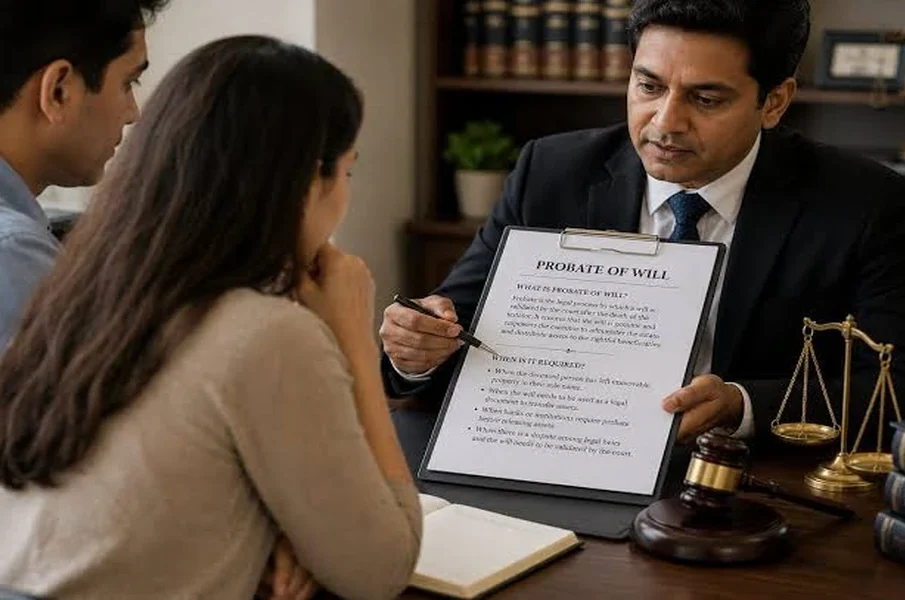
A death certificate gives no one authority over a bank account, a house, or a brokerage statement. In Texas, that authority comes from a court order and a document called letters testamentary or letters of administration. Until those letters issue, even the person named as executor in a valid will generally cannot sign for the estate, sell property, or deal with creditors on its behalf.
What happens after letters issue depends on how the estate is administered. Some estates move forward with very little court involvement, while others return to the judge for nearly every major decision. Following an estate from the first filing to the final distribution shows where those paths split, and why the choice made at the opening hearing shapes everything that comes after.
For families who want guidance at each stage, probate services in Houston are a core part of the work at The Swain Law Firm, which represents executors and trustees as they gather assets, pay estate liabilities, and document distributions under a will or living trust. Because so many Texas estates include a home, rental property, or land, the firm’s real estate practice also handles heirship determinations and title tracing to clear clouded titles before property is sold or transferred. Families can request a consultation through the firm’s website.
Where the case is filed
Harris County handles probate through dedicated courts rather than general civil courts. The county operates five statutory probate courts, with Courts 1 through 4 at 201 Caroline and Court 5 at 1115 Congress Street in downtown Houston. The courts publish local rules, e-filing information, a policy for applicants without lawyers, and standards for attorney fees, all of which are worth reviewing before the first filing.
Stage one: the application and hearing
- An applicant, usually the executor named in the will, files an application to probate the will and for letters with the county clerk, along with the original will.
- The clerk posts notice of the application, and the case waits for the waiting period required before a hearing can occur.
- At the hearing, the applicant proves the death, the court’s venue, and the will’s valid execution.
- If the court admits the will, the executor takes an oath, posts bond if required, and receives letters.
A will generally must be offered for probate within four years of death. When an estate has no debts other than those secured by real estate and the beneficiaries agree, a court may instead admit the will as a muniment of title, which transfers property without appointing an executor at all.
Stage two: notices
Once the will is admitted, Chapter 308 of the Texas Estates Code sets firm deadlines.
- Within 60 days of the order admitting the will, the executor sends notice to the beneficiaries named in it.
- Within 90 days of that order, the executor files a sworn affidavit or certificate confirming the notices were given. Courts treat this filing as mandatory.
- Within one month of receiving letters, the executor publishes notice to general creditors in a local newspaper.
- Within two months of receiving letters, the executor sends notice by certified or registered mail to secured creditors, such as a mortgage lender.
Stage three: inventory
The executor next builds a full picture of what the estate owns and owes. The Estates Code generally requires an inventory, appraisement, and list of claims within 90 days of qualification, unless the court grants an extension. In some independent administrations where there are no unpaid debts other than secured debts and certain taxes, an affidavit in lieu of inventory may be filed instead, keeping asset values out of the public record.
- Identify every asset that passes under the will, including real estate, vehicles, accounts, and personal property.
- Separate probate assets from those that pass outside the will, such as life insurance and accounts with named beneficiaries.
- Value each asset as of the date of death and file the inventory or affidavit with the court.
Stage four: claims and debts
Creditors present claims, and the executor decides whether to pay or reject them. Texas law ranks claims by priority, so funeral expenses, administration costs, and secured debts are generally addressed before ordinary unsecured debts. An executor who pays lower priority creditors first, leaving the estate short for higher priority ones, can face personal exposure.
Stage five: distribution and closing
- Pay or resolve valid claims and any taxes owed.
- Distribute remaining property to beneficiaries as the will directs, deeding real estate where needed.
- Collect receipts and releases from beneficiaries.
- Close the estate, either by filing a closing report or notice in an independent administration or by seeking a court order in a dependent one.
The path at a glance
| Probate stage | What happens | What the personal representative handles |
|---|---|---|
| Application and hearing | Will is filed, notice posted, will proved and admitted | Filing the application and original will, testifying, taking the oath |
| Notices | Beneficiaries and creditors are formally informed | Mailing beneficiary notices, filing the affidavit, publishing and mailing creditor notices |
| Inventory | Estate assets and debts are documented | Locating, valuing, and listing assets, or filing an affidavit in lieu |
| Claims | Creditors present claims for payment | Reviewing, paying, or rejecting claims in priority order |
| Distribution and closing | Property passes to beneficiaries, case ends | Transferring titles, obtaining receipts, filing closing documents |
Where independent administration changes the path
The answer to the title question sits here. In an independent administration, which Texas wills commonly request and courts generally grant when the will allows it or the beneficiaries agree, the judge’s role largely ends once the inventory or affidavit is filed. The executor can sell property, pay claims, and distribute assets without separate court approval for each act.
A dependent administration is different. The administrator typically must seek court permission to sell property, pay certain claims, and make distributions, and must file sworn annual accounts. Dependent administration offers closer oversight, which can help when family members distrust one another or the estate is insolvent, but it brings more hearings, filings, and expense.
What changes when there is no will or a dispute
Without a will, the court first has to decide who the heirs are. An heirship proceeding uses testimony from disinterested witnesses and, in many cases, an attorney ad litem appointed to represent unknown heirs. The court then applies Texas intestacy rules, which depend on marital status, children from current or prior relationships, and whether property is community or separate. An administrator may be appointed if the estate needs one, and real estate often requires a recorded heirship judgment before a title company will insure a sale.
Disputes can arise at nearly any stage. An interested person may contest the will before it is admitted, or generally within two years after admission, with a longer window when forgery or fraud is discovered later. Beneficiaries may also challenge how an executor handles assets, which can lead to claims for breach of fiduciary duty or a request to remove the executor. When a contest is filed, an estate that seemed headed for a short independent administration can slow considerably, and the court may appoint a temporary administrator to protect assets while the dispute is resolved.
Understanding the sequence helps executors keep pace with deadlines and helps beneficiaries know what to expect. Each estate follows its own path, shaped by the will, the assets, and the people involved.