Legal Checks Before a Fashion Brand Publishes Guest Content

Guest articles can introduce a fashion brand to new readers, but publishing outside your own website creates legal and practical questions. Who owns the copy and images? Is the article clearly promotional? Does the publisher have permission to use the material? Sorting out these issues before publication helps protect the brand and avoids disputes that can be difficult to fix once a post is live.
Be clear about whether content is an advertisement
A guest article may look like independent editorial, even when a brand has paid for placement or supplied content to promote its products. In the UK, marketing communications must not mislead consumers. The relevant rules depend on the content, its purpose and how it appears, so a business should consider whether readers could mistake a commercial message for independent journalism.
Where a post is advertising, its commercial nature should be made clear and prominent. A vague label, or one placed where readers are unlikely to see it, may not do the job. The same care applies to gifted products, affiliate links and other commercial relationships. Agree with the publisher in writing who is responsible for any disclosure and where it will appear. Do not assume that calling something a guest post settles the question.
Check the publisher and the placement terms
Before commissioning an article, review the publisher’s audience, editorial standards and proposed placement. A site that is a poor fit may waste the budget, while an unclear process can create problems over edits, publication dates or removal. A fashion guest posting guide can help businesses compare potential sites, assess quality and think through the difference between free and paid opportunities.
That research should sit alongside a written agreement. Confirm the price, what the fee covers, whether the publisher may edit the piece, how long it is expected to remain online, and what happens if it is removed or materially changed. Specify whether the publisher can add links or product claims that the brand has not approved. If the article is part of a wider campaign, keep records of briefs, approvals and final versions.
Get permission for words, photographs and designs
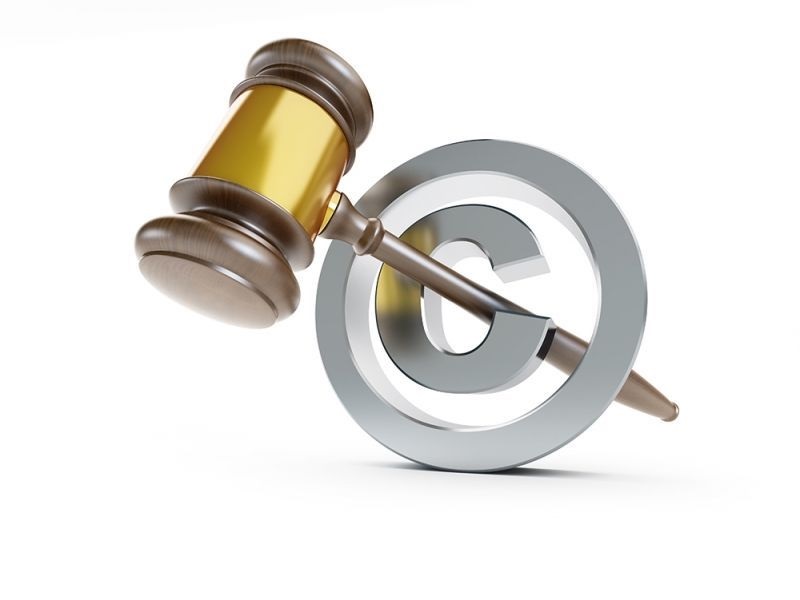
Copyright usually belongs to the creator unless it has been assigned or licensed. Paying a writer or photographer does not automatically mean the brand or publisher owns everything they produce. The commissioning terms should state who may reproduce, edit and reuse the work, and whether permission covers social media, email campaigns or future website use.
Fashion content often includes photographs, illustrations, logos and images of identifiable people. Check that the person supplying each asset has the necessary rights and permissions for the intended use. A photographer’s licence may limit the duration, territory or type of publication. A model release may also be relevant. Keep copies of licences and releases rather than relying on informal assurances, particularly when a publisher will host the material on its own platform.
Substantiate claims about products
Descriptions such as “sustainable,” “ethical,” “recycled” or “made in Britain” can influence purchasing decisions. They should be accurate, specific and supported by evidence before publication. Broad environmental claims can mislead if they omit important qualifications or imply that an entire product or business has a benefit that applies only to one component. Make sure the article’s headline, images and surrounding copy do not create a stronger impression than the evidence supports.
Build a simple approval process for factual claims. Identify who checks sourcing, materials, manufacturing details and product performance, and retain the documents behind those statements. If a publisher changes approved wording, ask to review the revised version. A correction after publication may not fully undo the impact of an inaccurate claim.
Protect customer and business information
Guest content may be prepared using customer stories, campaign data, unreleased designs or information about suppliers. Share only what is needed, and obtain appropriate consent before using personal details or identifiable customer photographs. Do not send confidential material to a writer or publisher without considering how it will be stored, who can access it and whether it may be reused.
Where personal data is involved, businesses should consider their data protection responsibilities and ensure that the people handling it have clear instructions. Remove unnecessary customer information from briefs and drafts. If a story relies on a real customer’s experience, verify that the person understands how their words and image will appear, and keep a record of the permission given.
Include technical work in the project plan
Publishing also involves practical website decisions: who uploads the article, how links are handled, and whether the page displays correctly on mobile devices. If a campaign requires new site features or changes to a content system, define the developer’s scope, delivery dates, testing process and ownership of the resulting code. Businesses comparing front-end developers on Osdire can use a clear brief to assess skills, costs and delivery expectations before work begins.
Give contractors access only to the systems and information they need. Agree how credentials will be managed, what happens when the project ends, and who is responsible for maintaining the work. A well-defined technical arrangement reduces the risk of delays and helps ensure that marketing content is published as approved.
Make review part of the publishing process
A short pre-publication checklist can catch many avoidable problems: confirm the commercial disclosure, check permissions for every asset, verify product claims, approve links and retain the final copy. Assign one person to coordinate sign-off so that legal, marketing and editorial comments do not conflict. If a post raises a significant regulatory or contractual concern, seek advice on the specific circumstances before it goes live.
Guest posting can be a useful part of a fashion brand’s communications, but reach should not come at the expense of accuracy or rights. Clear agreements, substantiated claims and careful handling of creative work give both the brand and publisher a firmer basis for working together.