Common Mistakes That Can Reduce Compensation After A Dog Attack
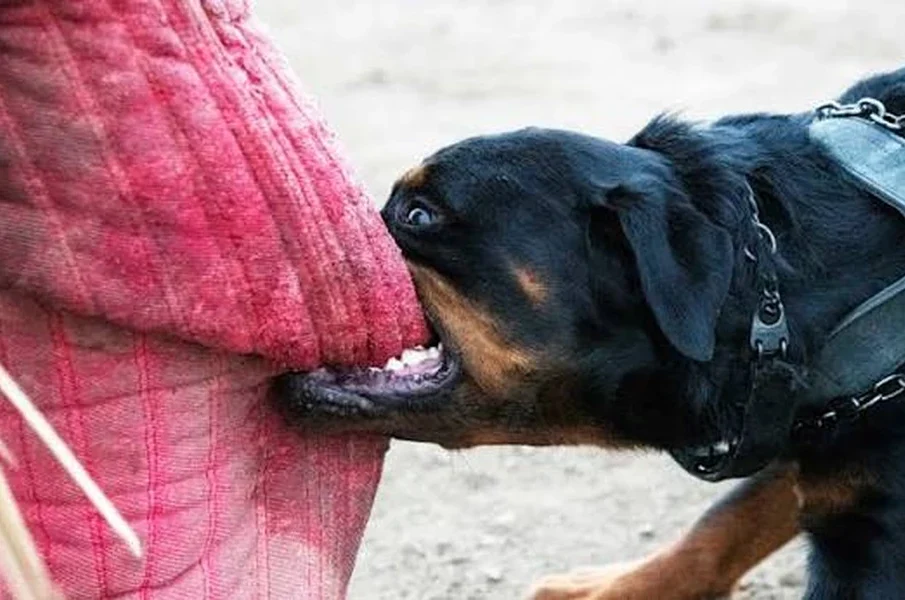
Although a dog attack might have long-lasting psychological and physical repercussions, subsequent acts can have a big impact on how a lawsuit turns out. Many people unintentionally weaken their case by making avoidable decisions during the days and weeks following the incident. Early detection of these errors can safeguard your recuperation as well as your capacity to pursue only reimbursement.
Waiting Too Long To Take Action
After a dog bite, some people assume the injury is minor and decide to wait before seeking help. Unfortunately, even small puncture wounds can develop infections or reveal deeper tissue damage over time. Delaying action also makes it harder to connect the injury directly to the attack.
Timely medical care helps determine when the accident occurred and establishes an official record of the incident. It also demonstrates that the victim took the situation seriously from the beginning.
Failing To Identify The Dog Owner
One of the biggest setbacks in a dog bite claim is leaving the scene without collecting important information. If possible, obtain the owner’s name, contact information, and details about the dog. If witnesses are nearby, ask for their contact information as well.
Without identifying the responsible party, recovering compensation may become much more difficult, especially if the owner leaves before authorities arrive.
Ignoring Follow-Up Treatment
Healing from a dog attack often requires more than one doctor’s visit. Some victims stop attending appointments once the pain begins to fade, believing additional care is unnecessary.
If the suggested treatment is disregarded, insurance companies and other parties may contend that the injuries were not severe. Completing the prescribed treatment plan shows a commitment to recovery and provides a clearer picture of the injury’s full impact.
Posting About The Incident On Social Media
Many people share personal experiences online without realizing that those posts can later be used against them. Photos, comments, or updates that appear inconsistent with the claimed injuries may create unnecessary questions.
Even harmless posts showing daily activities can be taken out of context. Limiting social media activity until the legal matter is resolved is often a wise decision.
Accepting The First Settlement Offer
An early settlement may seem appealing, especially when medical bills begin to accumulate. However, initial offers are not always designed to cover future expenses such as rehabilitation, scar revision procedures, counseling, or additional treatment.
Once a settlement is accepted, reopening the claim is generally not possible. Taking time to understand the full extent of the damages before agreeing to compensation can prevent future financial difficulties.
Overlooking Emotional And Psychological Harm
Dog attacks can cause more than visible injuries. Fear of animals, anxiety, sleep disturbances, and emotional distress are common after a traumatic event. Some victims focus only on physical wounds and never discuss these challenges with healthcare providers.
When emotional injuries are properly documented, they may become an important part of the overall claim because they affect daily life and long-term well-being.
Speaking Carelessly With Insurance Representatives
Insurance adjusters often contact victims soon after an incident to gather information. While cooperation is important, providing detailed recorded statements before fully understanding the injuries can create complications.
Casual remarks suggesting improvement may later be interpreted as evidence that the injuries were less serious than originally reported. Before discussing important aspects of a claim, many victims choose to consult an attorney for dog bite cases who can explain what information should be shared and when.
Not Preserving Important Evidence
Evidence can disappear quickly after a dog attack. Torn clothing may be thrown away, wounds begin to heal, and the location of the incident may change. Taking photographs of injuries, damaged belongings, and the scene as soon as possible helps preserve valuable details.
Keeping receipts for medications, transportation, and other related expenses can also support the overall value of the claim.
Conclusion
Recovering compensation after a dog attack depends on more than proving an injury occurred. Careless decisions, missing documentation, and rushed settlements can all reduce the amount available to cover losses. By acting carefully, preserving evidence, and making informed decisions throughout the process, victims place themselves in a much stronger position to pursue the compensation they deserve.